HEADLINE: 44% of SA Youth Are Jobless — Minister Admits: "Our Problem Is Implementation"
Nearly half of South Africa's young people are not in employment, education, or training (NEET). And the government's own mid-term evaluation says the problem isn't a lack of policies — it's a lack of delivery.
Images may be subject to copyright.
Friday, 2 October 2026 – TMGNews
Nearly half of South Africa's young people are not in employment, education, or training (NEET). And the government's own mid-term evaluation says the problem isn't a lack of policies — it's a lack of delivery.
The findings were released on Friday at the launch of the Mid-Term Implementation Evaluation Report of the National Youth Policy (2020–2030) in Kempton Park, Johannesburg.
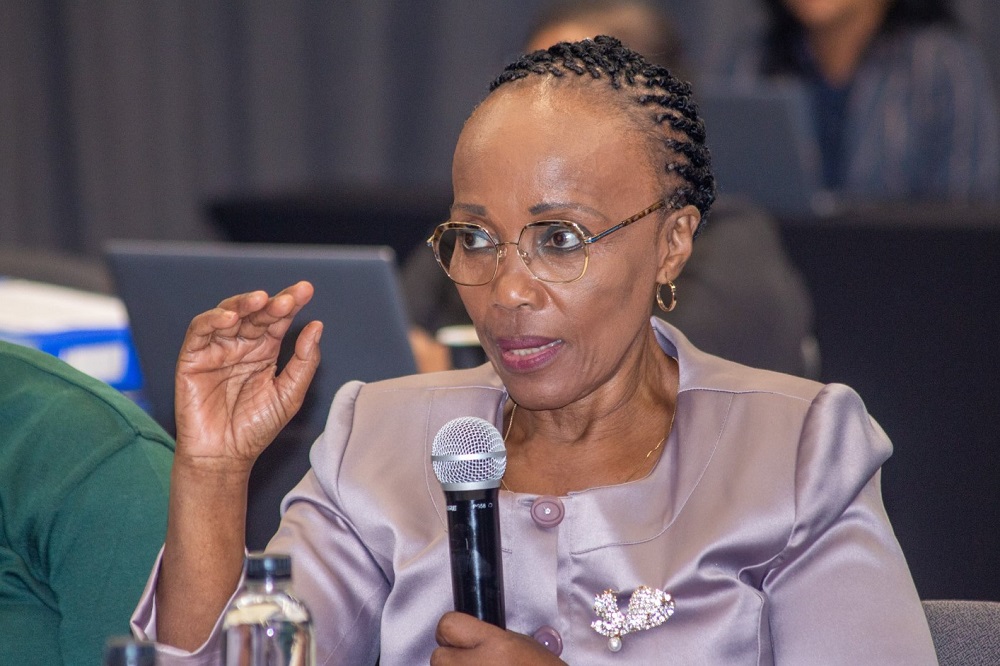
Minister in the Presidency for Women, Youth and Persons with Disabilities, Sindisiwe Chikunga, delivered the keynote address — and she didn't mince words.
"The central finding of this evaluation is both encouraging and demanding," Chikunga said. "The National Youth Policy remains highly relevant… our challenge is no longer to restate that vision, but to translate it into consistent delivery at scale."
📊 The Numbers That Matter
Metric Status
Youth NEET Rate ~44%
Policy Pillars Evaluated 5
Policy Relevance Aligned with NDP, Agenda 2063, SDGs
Key Challenge Implementation, coordination, funding, accountability
Anniversary Context 50th anniversary of 1976 Youth Uprisings
✅ What's Working
The evaluation recorded progress across all five pillars of the policy:
· Expanded access to education and skills development
· Presidential Youth Employment Initiative
· National Youth Service
· SA-Youth platform
"These achievements deserve recognition, but they must not become grounds for complacency," Chikunga said.
❌ What's Broken
Despite the progress, the evaluation identified critical gaps:
Challenge Impact
Institutional fragmentation Youth programmes scattered across departments
Uneven service delivery Rural youth left behind
Weak coordination No single point of accountability
Insufficient accountability Funds spent without measurable outcomes
Inconsistent monitoring No reliable data on what works
Budgetary constraints Promises not matched by resources
Young women, particularly in rural communities, remain disproportionately affected by limited access to education and economic opportunities.
Young graduates struggle to find work. Young entrepreneurs can't access finance and markets. And mental health and psychosocial support remain unevenly delivered.
🏛️ The NYDA's Funding Crisis
Chikunga singled out the National Youth Development Agency (NYDA) as a key link between policy and reality.
"It must be strengthened in governance, organisational capability, provincial and local reach, digital delivery, partnerships and monitoring capacity."
"Crucially, the NYDA must receive adequate, predictable and sustainable funding, aligned with a clear mandate and measurable outcomes."
🎯 Five Priorities for the Second Half
As the country enters the second half of the policy's implementation period, Chikunga outlined five priorities:
1. Strengthen and adequately resource youth development institutions
2. Institutionalise meaningful youth participation
3. Expand pathways into economic opportunities
4. Prioritise youth wellbeing (including mental health)
5. Improve accountability for results
She called for new pathways in the digital economy, artificial intelligence, creative industries, green economy, agriculture, manufacturing, and the oceans economy.
🇿🇦 A Legacy of 1976
The launch coincides with the 50th anniversary of the 1976 Youth Uprisings.
Chikunga said the anniversary served as a reminder of the role young people played in shaping South Africa's history — and the responsibility to ensure the current generation had access to quality education, economic opportunities, and safe communities.
📢 TMGNews Verdict
The Minister said it plainly: "South Africa does not suffer from a shortage of youth policies. Our principal challenge is implementation."
She's right.
South Africa has no shortage of youth policies, frameworks, summits, and initiatives. What it lacks is coordination, funding, and accountability.
The evaluation report is honest about the gaps. But honesty is not delivery.
The NYDA needs predictable funding — not the annual begging cycle it currently endures.
Young people need real pathways to employment — not more short-term interventions that end when the funding runs out.
And most importantly, the institutions responsible for youth development need to be held accountable for measurable results.
Fifty years after the youth of 1976 fought for a better future, millions of young South Africans are still waiting for theirs.
The policy is relevant. The implementation is failing. The question is: will anything change before 2030?
What do you think? Is the government doing enough for young people? Share your thoughts via our WhatsApp tip line: 062 342 3114.
Sources: SAnews.gov.za / Department of Women, Youth and Persons with Disabilities